
"Brazil frost"
700 article(s) found

Introduction of Honduran coffee with rich and balanced taste as a whole
Honduran coffee comes from El Salvador. Coffee production was lukewarm at first until the frost in Brazil in 1975. At that time, Brazil was hard hit and coffee production plummeted, while Honduras took the opportunity to take advantage of the surge in coffee production from 500000 bags to 1.8 million bags and was ransacked. It was only after that that coffee production in Honduras really developed. For the production of coffee

Honduran coffee that can be used to blend blended coffee Introduction Fine coffee
Honduran coffee is imported from El Salvador. Coffee production was initially in a state of inexorable heat until the Brazilian frost of 1975. Brazil was hit hard, coffee production plummeted, while Honduras took advantage of the opportunity, coffee production soared from 500,000 bags to 1.8 million bags, and was robbed. Coffee production in Honduras really took off after that. Now Honduras Coffee

The main factors affecting the price of coffee beans can be summarized as follows.
Coffee futures trade coffee beans, and futures are both an investment and an increase in coffee. The increase in coffee lies not only in the origin, good or bad, but also for many piecemeal reasons. In the coffee futures market, the main factors affecting the price of coffee beans can be summarized as follows: 1. Changes in supply: supply and demand have a certain impact on prices, changes in supply

The characteristics of coffee beans from Santa Barara Estate in Honduras
Characteristics of coffee beans from Santa Barara Estate, Honduras Flavor Description Introduction Honduran coffee is imported from El Salvador. Coffee production was initially in a state of inexorable heat until the Brazilian frost of 1975. Brazil was hit hard, coffee production plummeted, while Honduras took advantage of the opportunity, coffee production soared from 500,000 bags to 1.8 million bags, and was robbed. from that

Colombia fine coffee Nalongo province rich flavor of oil and toffee
Colombia has three Cordillera mountains running north-south, right into the Andes. Coffee is grown along the highlands of these mountains. The terraces provide a diverse climate, with harvest seasons throughout the year and different types of coffee maturing at different times. And fortunately, unlike Brazil, Colombia doesn't have to worry about frost damage. Colombia has about 2.7 billion coffee trees

What is the unique flavor of Bolivian coffee?
Coffee was really commercially produced in Bolivia in the 1950s (at first coffee trees were planted around homes as fences), but the coffee industry grew rapidly in a very short time. This is partly due to the impact of the Brazilian frost in 1975, when Brazil's coffee industry was hit hard, and Bolivia's coffee industry took advantage of the opportunity to develop rapidly. The coffee is mellow.

Analysis on the Market Price of Coffee beans the main factors affecting the price of coffee beans
Coffee futures trade coffee beans, and futures are both an investment and an increase in coffee. The increase in coffee lies not only in the origin, good or bad, but also for many piecemeal reasons. In the coffee futures market, the main factors affecting the price of coffee beans can be summarized as follows: 1. Changes in supply: supply and demand have a certain impact on prices, changes in supply
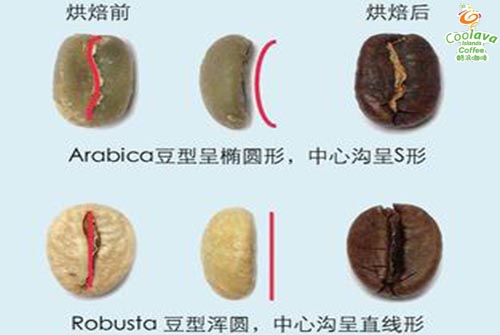
Boutique coffee beans: details of Arabica and the difference between Arabica and Robusta
Arabica Coffee Coffee Arabica many people have seen roasted coffee beans, but unless you have lived or traveled to coffee producing areas, you may not know coffee trees. The saplings are short-trimmed, but when they mature, they are 30 feet tall and covered with waxy leaves that grow symmetrically in dark green. The coffee fruit grows along the branches. After the white flowers are in full bloom and pollinated, the fruit takes a year to ripen.

Introduction of Columbia Linglong producing area and specific description of coffee flavor
Columbia has three Codiera mountains running north and south, right into the Andes. Coffee is grown along the highlands of these mountains. The mountain steps provide a diverse climate, where the whole year is the harvest season, and different kinds of coffee ripen at different times. And fortunately, unlike Brazil, Colombia doesn't have to worry about frost. Columby

Introduction of Brazilian Bourbon Coffee Story description of flavor and taste of Brazilian coffee bean brand picture
For professional baristas, please follow the coffee workshop (Wechat official account cafe_style) Brazil is the largest coffee producer in the world, providing nearly 45% of the world's coffee raw beans. The length of the country's dry season may even affect coffee prices around the world. The main producing areas in Brazil are Minas Gerais Minas Gerais, Sao Paulo Sao Paulo, Bahia Bahia and Sao Ece.
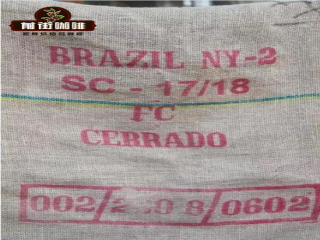
The taste characteristics of Brazilian coffee beans describe what Brazilian coffee beans taste good, and the Brazilian grading system is introduced.
Brazil is the most important coffee producer in the world, accounting for 1x3 of the world's total output, and it is also the second largest coffee consumer in the world (the first is the United States). The length of the dry season in Brazil may even affect the price of coffee in the world, especially due to the impact of the epidemic this year, the progress of coffee harvest in Brazil has slowed down. Brazil

Bolivia, Puerto Rico, Brazil, Brazil, origin of coffee beans.
Puertp Rico in 1736, coffee trees were introduced into Puerto Rico from Martinique. Most of the early coffee was grown by immigrants from Corsica. By 1896, Puerto Rico was the sixth largest exporter of coffee in the world, with most coffee shipped to France, Italy, Spain and Cuba. Coffee farms flourished in the 19th century, but sugar cane and medicine

The overall balanced flavor of Honduran coffee beans introduces Santa Barara Manor.
Medium or shallow acidity, giving the impression of obvious but not strong. Sometimes it has a beautiful floral or fruity aroma (generally speaking, beans produced in different regions and at different elevations have different performances). It is not at all associated with the unrest of the country. Bitterness and obvious sweetness. The overall taste of Honduran coffee is balanced, sour and bitter are not so strong, between the two

Description of Coffee Flavor in Santa Barara Manor, Honduras Price introduction of Grinding degree production area treatment method
Honduran coffee comes from El Salvador. At first coffee production was in a state of unavoidable heat until the frost in Brazil in 1975. At that time, Brazil was hard hit and coffee production plummeted, while Honduras took the opportunity to take advantage of the surge in coffee production from 500000 bags to 1.8 million bags and was ransacked. It was only after that that coffee production in Honduras really developed. Now, Honduran coffee.

A brief introduction to the planting situation, geographical location, climate and altitude of the fragrant coffee beans from Hilado, Brazil.
Unlike in the past, Brazil's economy is now less dependent on coffee, which accounts for only 8% to 10% of GDP. Before World War II, Brazil accounted for 50% or more of the world's coffee production, and now it is close to 30%. But the country's impact on the world's coffee, especially on coffee prices, is significant. For example, two frost disasters in 1994 caused global coffee.

Starting with Coffee beans (16)-America-Bolivia
In the past, coffee trees in Bolivia used to act as hedges and ornaments around the garden. Real commercial production began in the early 1950s. The great frost of 1957 seriously damaged Brazil's coffee industry, while Bolivia (Bolivia) benefited from it and developed rapidly. Bolivian coffee is grown at an altitude of 180,670 meters above sea level, including Allah.
Global coffee producing area-Bolivia
In the past, coffee trees in Bolivia used to act as hedges and ornaments around the garden. Real commercial production began in the early 1950s. The coffee industry in Brazil was seriously damaged by the great frost in 1975, while Bolivia (Bolivia) benefited from it and developed rapidly. The origin of Bolivian coffee: Bolivian coffee at an altitude of 180 Muhami 670 meters.
Coffee from Bolivia
Coffee trees used to be planted around gardens as hedges and ornamental plants in Bolivia. Real commercial production began in the early 1950s. The 1975 frost severely damaged Brazil's coffee industry, but Bolivia benefited from it and grew rapidly. Bolivian coffee production: Bolivian coffee at an altitude of 180--670 meters
Coffee producing area-Bolivia
In the past, coffee trees in Bolivia used to act as hedges and ornaments around the garden. Real commercial production began in the early 1950s. The coffee industry in Brazil was badly damaged by the great frost in 1957, while Bolivia (Bolivia) benefited and developed rapidly. Bolivian coffee is grown at an altitude of 180,670 meters above sea level, including Allah.
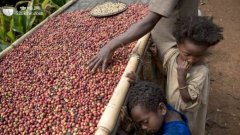
World boutique coffee producing area Bolivian coffee beans
In the past, coffee trees in Bolivia used to act as hedges and ornaments around the garden. Real commercial production began in the early 1950s. The great frost of 1957 seriously damaged Brazil's coffee industry, while Bolivia (Bolivia) benefited from it and developed rapidly. Bolivian coffee is grown at an altitude of 180,670 meters above sea level, including Allah.